9+ curated guides • Updated November 2025
You've meticulously chosen the perfect coat and the killer boots, yet your look still feels... safe. The problem isn't your outfit; it's your outdated approach to accessorizing. It's time to stop treating gloves as a weather-based afterthought and start seeing them as the main event. For years, we've been held captive by the cult of the It-Bag, a predictable and often deafeningly loud declaration of trend-allegiance. I'm here to tell you that the true epicenter of power has shifted. It's quieter, more deliberate, and it lives on your hands. The statement glove is no longer a quaint vintage nod; it is the new nexus of a truly considered look.
We've all seen the shocking images of a multi-million dollar mansion consumed by flames. But the real story isn't the disaster; it's what happens after the smoke clears. Faced with a truly blank slate, how do the world's most famous people build not just a new house, but a fortress of resilience and a testament to who they are now? This architectural rebirth, what I call the Phoenix Effect, is more than a construction project; it's a profound act of psychological reclamation. By sifting through the ashes, these individuals are forced to confront their deepest anxieties about safety, legacy, and the very meaning of 'home.' The result is often a structure that is less a statement of wealth and more a suit of armor, meticulously engineered to withstand the next catastrophe while simultaneously healing the trauma of the last.
Remember 2022? As the world reopened, our wardrobes shifted dramatically from soft sweatpants to structured statements. The most telling accessory wasn't a bag or a shoe—it was the humble belt, suddenly tasked with the monumental job of reclaiming our shape and signaling our return to the world. This wasn't a mere trend; it was a collective, non-verbal declaration. After two years of amorphous silhouettes and elasticated waists that blurred the lines between public and private, the act of cinching, buckling, and defining our midsections became a powerful psychological tool. We weren't just holding up our trousers; we were re-establishing boundaries, drawing a line between the lockdown self and the re-emergent individual. The belt, in its myriad forms, became the focal point of this sartorial rebirth, the accessory that gave our new chapter its shape.
We see their faces on billboards and their names on perfume bottles, but the nine-figure fortunes of the world's richest celebrities aren't built on fame alone. The real secret lies in a crucial decision: do you rent out your name, or do you build an empire you actually own? Understanding this difference is the key that separates the merely famous from the truly powerful. This isn't just about earning more; it's about fundamentally changing the financial equation of a celebrity career, shifting from being a high-paid employee of your own fame to becoming a chairman of the board.
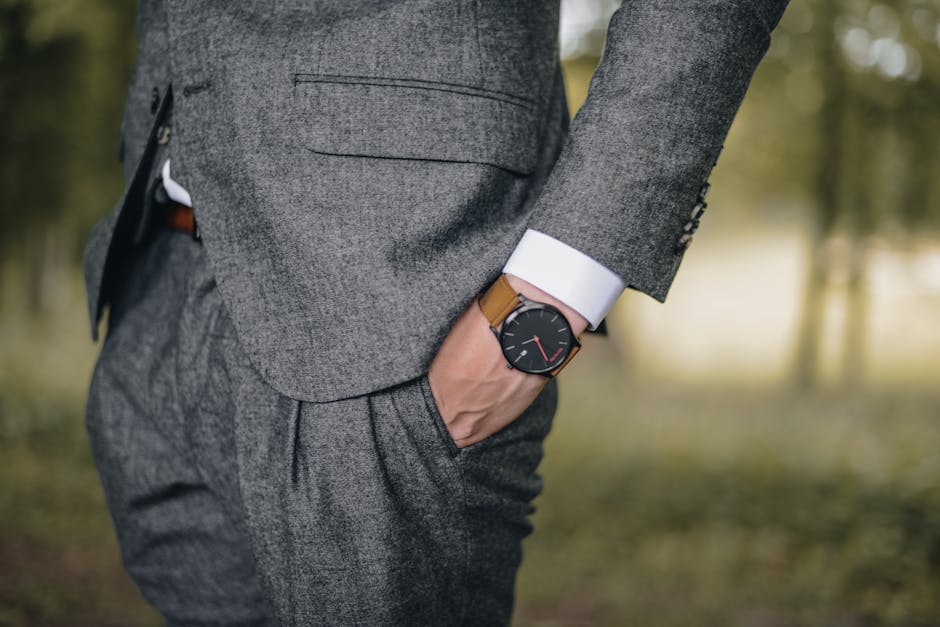
Forget everything you think you know about the waist belt. It's not just for holding up trousers or accentuating a dress—it's the single most powerful architectural tool in your wardrobe. This simple accessory can manipulate proportions, create new lines, and completely redefine an outfit's silhouette, if you know the secrets. As a stylist who views every garment as a piece of wearable architecture, I see the belt not as a finishing touch, but as a foundational element. It's the support beam that creates an A-line, the keystone that defines an arch, the clean horizontal line that brings balance to a sprawling facade. Understanding its function is the difference between simply wearing clothes and truly constructing a look.
You've probably looked up a star's height and been surprised by the number, but that number is irrelevant in Hollywood. The real story is how directors and cinematographers meticulously craft an actor's on-screen stature, using a century's worth of visual tricks to make them appear as towering or as tiny as the story demands. Forget the Google search; the truth isn't in a number, but in the subtle art of cinematic manipulation. We're pulling back the curtain on the techniques that build heroes, shrink giants, and maintain the fragile fantasy of the silver screen.
For decades, the definition of a covetable bag was loud: recognizable hardware, a prominent logo, and a multi-year waitlist. But in the age of conscious consumption, the loudest statement is often a whisper. We're exploring how the anonymous, stylish tote has dethroned the flashy 'It' bag, becoming the secret weapon of the truly well-dressed. This isn't about practicality trumping prestige; it's about a fundamental redefinition of what prestige looks like. The focus has shifted from a declarative shout of wealth to a confident murmur of taste, and the tote is its chosen vessel.
You saw it on TikTok: the rosette choker, the cherry red handbag, the chunky silver jewelry. But will you still love it next month? Before you invest in a fleeting micro-trend that could drain your wallet, consider the fashion insider's secret—using Sinsay's accessories as your personal trend laboratory. This isn't about promoting disposability; it's about strategic intelligence. In an era where trend cycles spin at the speed of a viral video, committing to a high-ticket item is a high-stakes gamble. The Sinsay accessory aisle, with its sub-$10 price points, becomes a sandbox for style. It's a place to beta-test a look, to see if that 'eclectic grandpa' brooch or 'balletcore' ribbon actually integrates with your existing wardrobe before you splurge on the designer version. This is the art of hacking the system—using the tools of fast fashion against itself to make more considered, sustainable, and ultimately more stylish long-term decisions.
We're often told ADHD is a story of distraction and struggle. But what if the chaotic energy of a rock star's performance or the brilliant, non-linear mind of a visionary entrepreneur isn't a bug, but a feature? We go beyond the diagnosis to decode the neurological signature that turns these traits into a creative superpower. This isn't about glamorizing a complex condition; it's about dissecting the mechanics of a specific kind of creative engine—one that runs on dopamine-seeking, pattern-recognition, and an unquenchable thirst for novelty. We'll explore how the very traits that can make navigating a neurotypical world challenging are the same ones that allow these individuals to innovate, captivate, and fundamentally change their industries.